
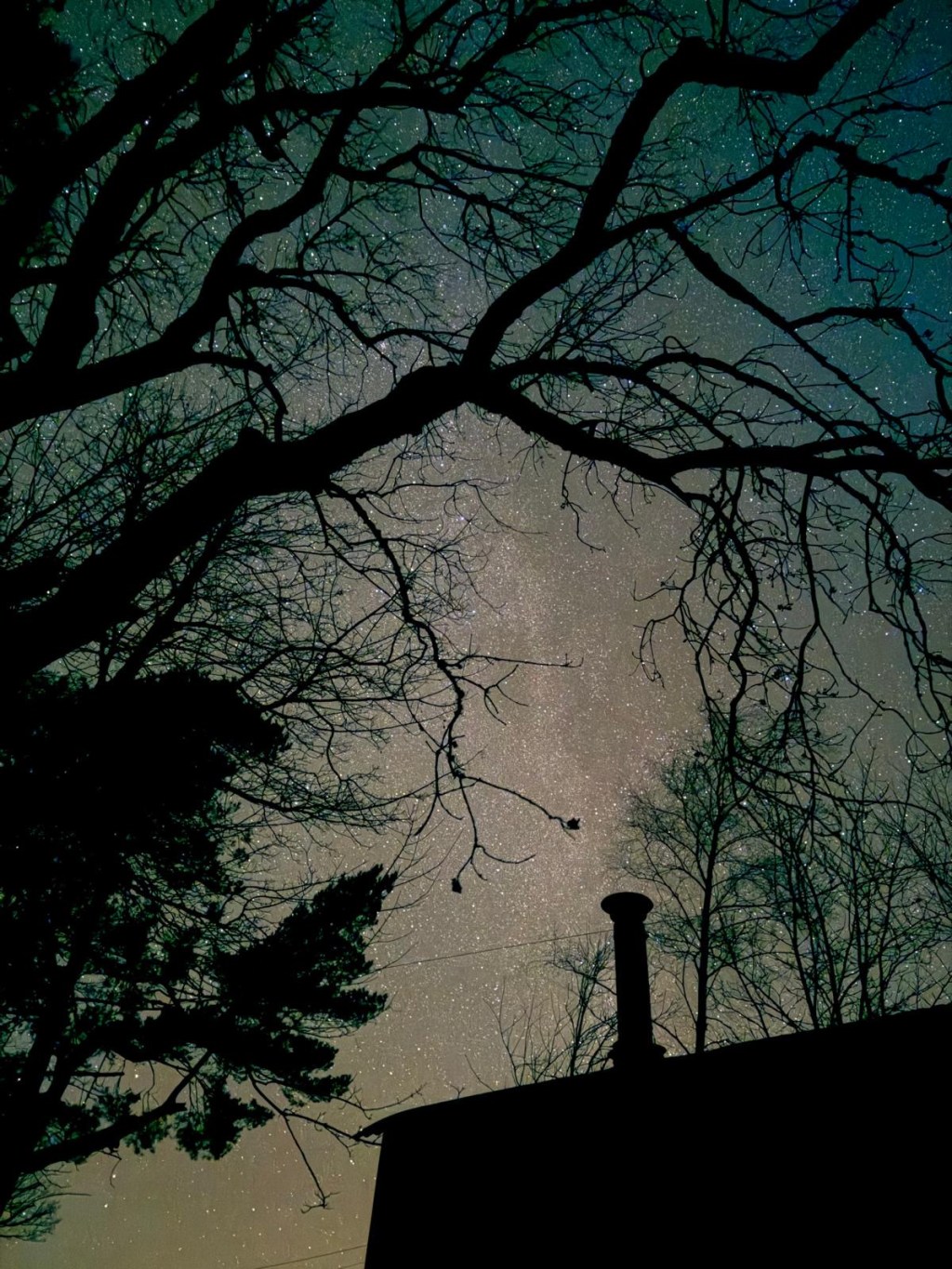
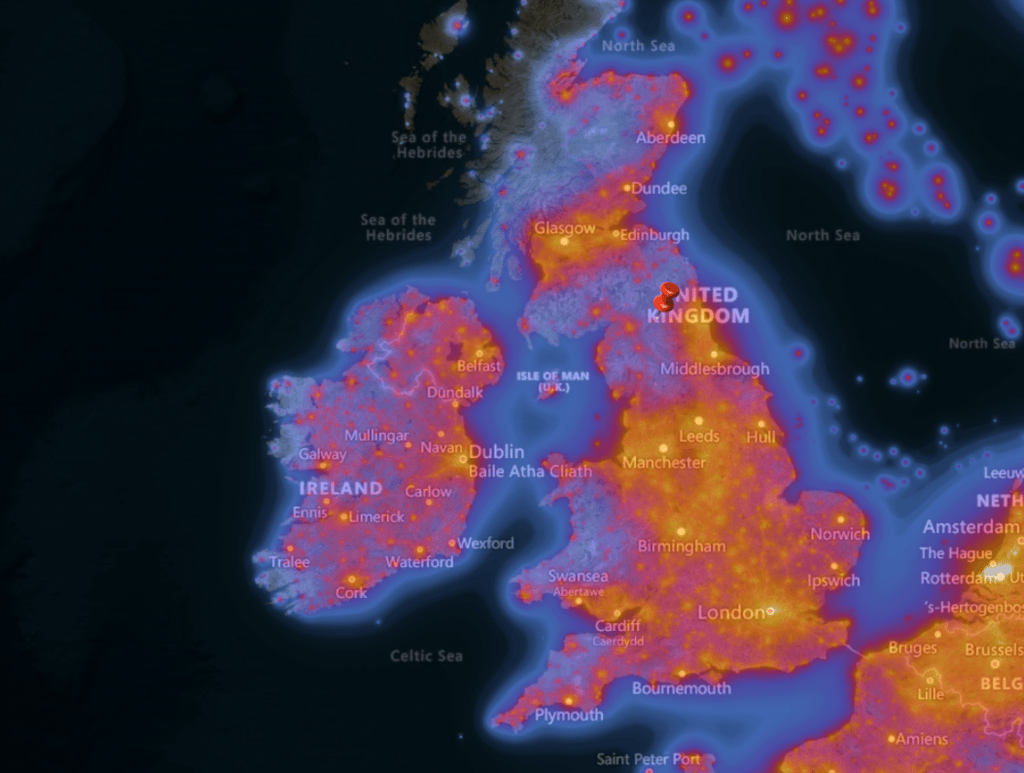
Northumberland National Park, a land of dramatic landscapes and ancient history, is not only a place of stunning daytime beauty but also home to one of the best night skies in the world. In 2013, the park was designated an International Dark Sky Park, recognized for its outstanding commitment to reducing light pollution and preserving its starry nights. This accolade, awarded by the International Dark-Sky Association (IDA), makes Northumberland National Park and Kielder Water & Forest Park the largest protected dark sky area in Europe, covering nearly 1,500 square miles.
The park’s pristine skies offer unrivalled opportunities for stargazing, with visitors flocking to witness the wonders of the cosmos, including recent dazzling displays of the Northern Lights (Aurora Borealis), and breathtaking views of the moon and distant planets. Whether you’re an experienced astronomer or a curious beginner, the Dark Sky Park is a must-visit destination for all who seek the magic of the night sky.
What Makes Northumberland’s Dark Skies So Special?
Northumberland National Park’s commitment to limiting light pollution is the key to its dark sky status. Light pollution from cities and towns makes it difficult to see stars and other celestial phenomena in most urban areas. However, Northumberland’s rural location, combined with stringent measures to reduce artificial lighting, creates the perfect environment for stargazing.
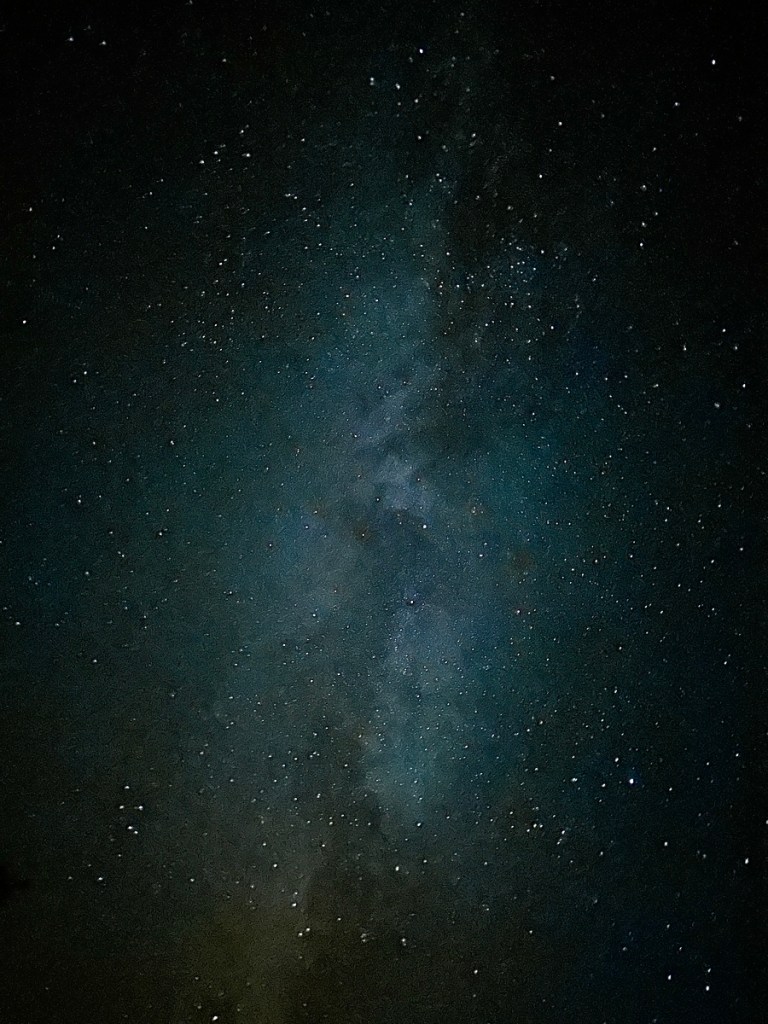
With minimal light pollution, the skies are incredibly dark, allowing more than 2,000 stars to be visible to the naked eye on clear nights. By comparison, most city dwellers are lucky if they can spot a few dozen stars. On particularly dark nights, the Milky Way arches across the sky like a glowing ribbon, a sight rarely seen in modern life.
Recent Aurora Displays
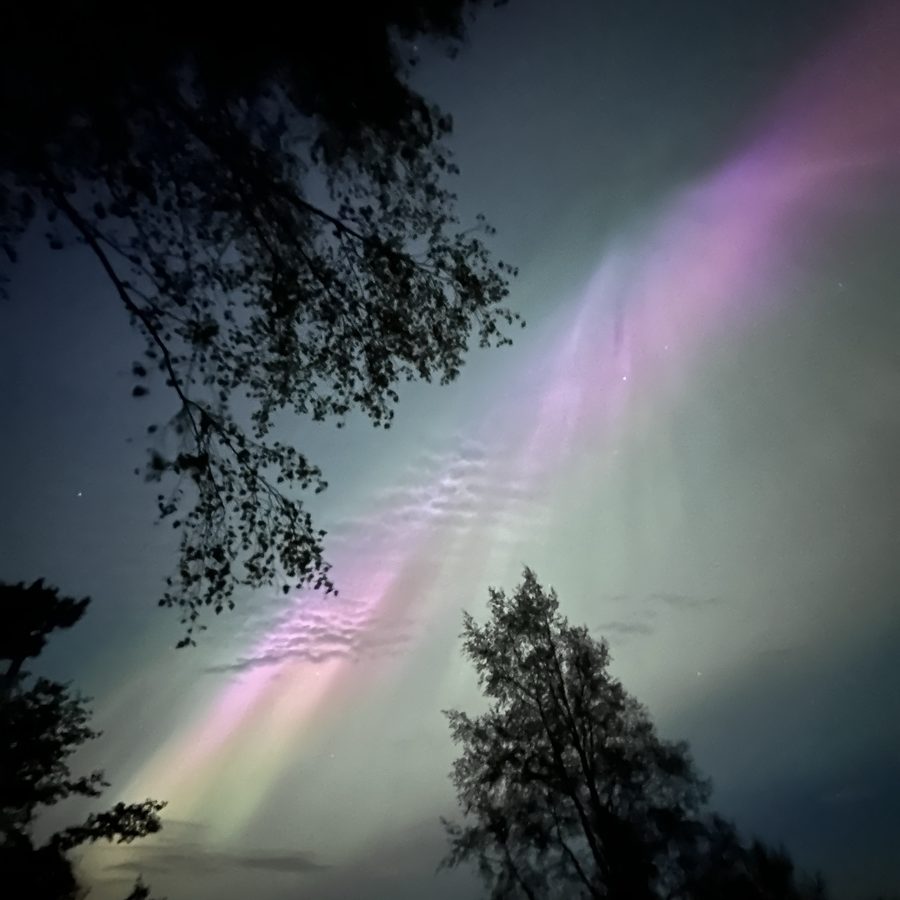
One of the most captivating spectacles visible from Northumberland’s Dark Sky Park is the Aurora Borealis, or Northern Lights. While typically associated with far northern regions like Norway or Iceland, auroras are visible in Northumberland on nights of strong solar activity. The auroras occur when charged particles from the sun collide with the Earth’s magnetic field, creating swirling curtains of green, pink, and purple light in the sky.
In recent months, Northumberland has been treated to several exceptional displays of the Northern Lights, much to the delight of visitors and local stargazers. These recent auroral events, caused by heightened solar activity, brought waves of color dancing across the sky in late September and early October 2024. Social media channels lit up with images of the aurora taken from popular stargazing spots like Kielder Observatory and Hadrian’s Wall, showing off Northumberland’s dark skies at their best.
Aurora forecasting websites and apps have become popular tools for night sky enthusiasts, allowing visitors to plan their trips around likely auroral activity. The best chance of seeing the Northern Lights is during periods of heightened solar activity, typically during the autumn and winter months.
Key Stargazing Dates for 2024
For those planning a visit to Northumberland National Park, here are some of the key stargazing dates and astronomical events for late 2024:
Winter Constellations (December 2024): As the nights grow longer, the winter constellations become prominent. Orion, with its bright belt of three stars, and Taurus, the bull, are particularly striking. The Pleiades star cluster, also known as the “Seven Sisters,” is a stunning sight during this time of year.
Orionids Meteor Shower (October 21-22, 2024): The Orionids, which peak in late October, are remnants of Halley’s Comet and produce bright, fast-moving meteors. With the new moon occurring just before the peak, this year’s shower promises to be a spectacular show under Northumberland’s dark skies.
Taurids Meteor Shower (November 12-13, 2024): Although less intense than the Orionids, the Taurids often produce slow-moving fireballs that can light up the night sky. A new moon in November will enhance visibility for this event.
Geminids Meteor Shower (December 13-14, 2024): One of the best meteor showers of the year, the Geminids produce up to 120 meteors per hour. The bright streaks of light, caused by the asteroid 3200 Phaethon, are particularly vivid under the dark skies of Northumberland. Though it coincides with a waxing crescent moon, this shouldn’t diminish the viewing experience too much.
Moon Cycles and Stargazing in 2024
The moon’s cycle plays a significant role in stargazing, as a full moon can flood the sky with light, reducing the visibility of stars and planets. Dark sky enthusiasts often plan their visits around the new moon, when the moon is absent from the night sky, offering the best conditions for viewing faint objects such as nebulae and galaxies.
Here are the key moon phases to consider for stargazing in Northumberland for the remainder of 2024:
New Moons:
- October 13, 2024
- November 11, 2024
- December 11, 2024
These dates provide ideal conditions for stargazing, as the moon’s absence allows the sky to be as dark as possible, perfect for observing deep-sky objects like the Andromeda Galaxy, Orion Nebula, and star clusters.
Full moons are less ideal for stargazing due to the brightness of the sky, but they offer excellent opportunities for lunar observation. Viewing the craters and mountains of the moon through a telescope can be a rewarding experience during this phase.
Full Moons:
- October 28, 2024
- November 27, 2024
- December 26, 2024
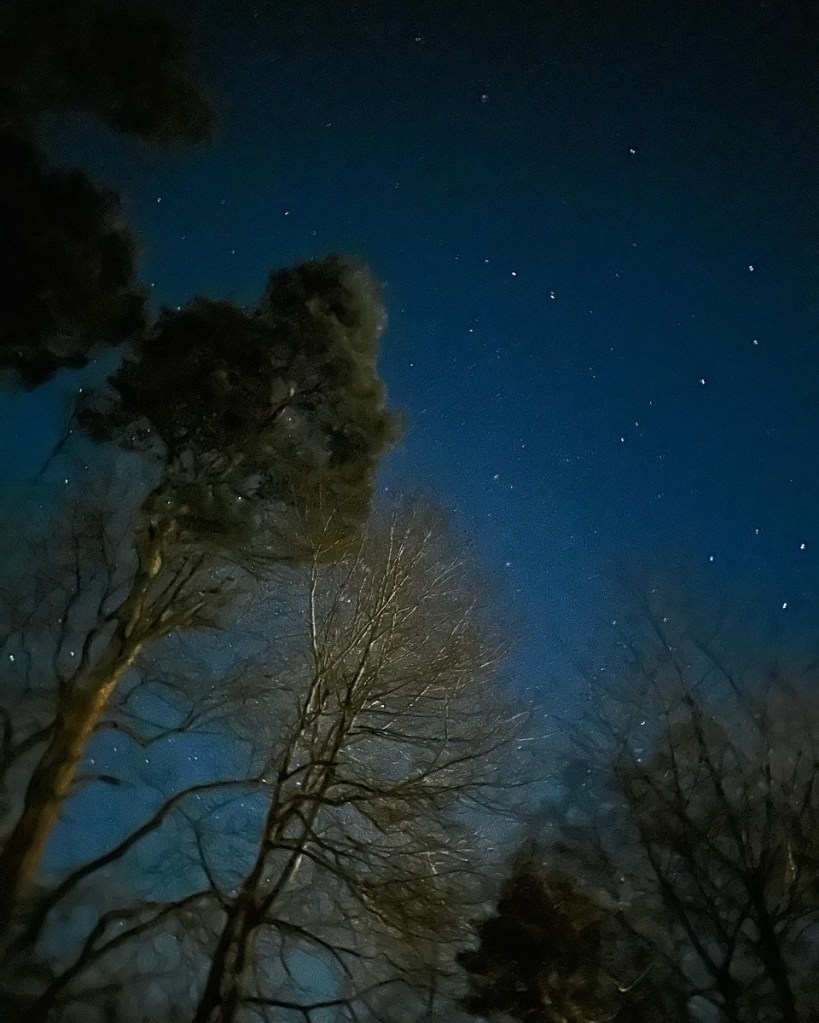
Best Stargazing Spots in Northumberland
There are many excellent locations to enjoy the dark skies of Northumberland, each offering unobstructed views of the horizon and minimal light interference:
Twice Brewed Inn: For those wanting a combination of comfort and dark skies, this inn near Hadrian’s Wall offers stargazing experiences with a cozy pub atmosphere.
Kielder Observatory: Nestled within Kielder Water & Forest Park, this state-of-the-art observatory is the perfect place for both novice and seasoned astronomers. The observatory runs a range of events throughout the year, from aurora-watching nights to deep-sky observing sessions.
Cawfields, Hadrian’s Wall: Located 5 minutes drive along the road from our hut on Roman wall, this area offers some of the darkest skies in the park. On clear nights, the Milky Way is visible in its full glory as it is in our garden!
Stonehaugh: This quiet village within Wark Forest is a designated Dark Sky Discovery Site, offering excellent conditions for stargazing without the need for advanced equipment.
Sunsets and dramatic skies
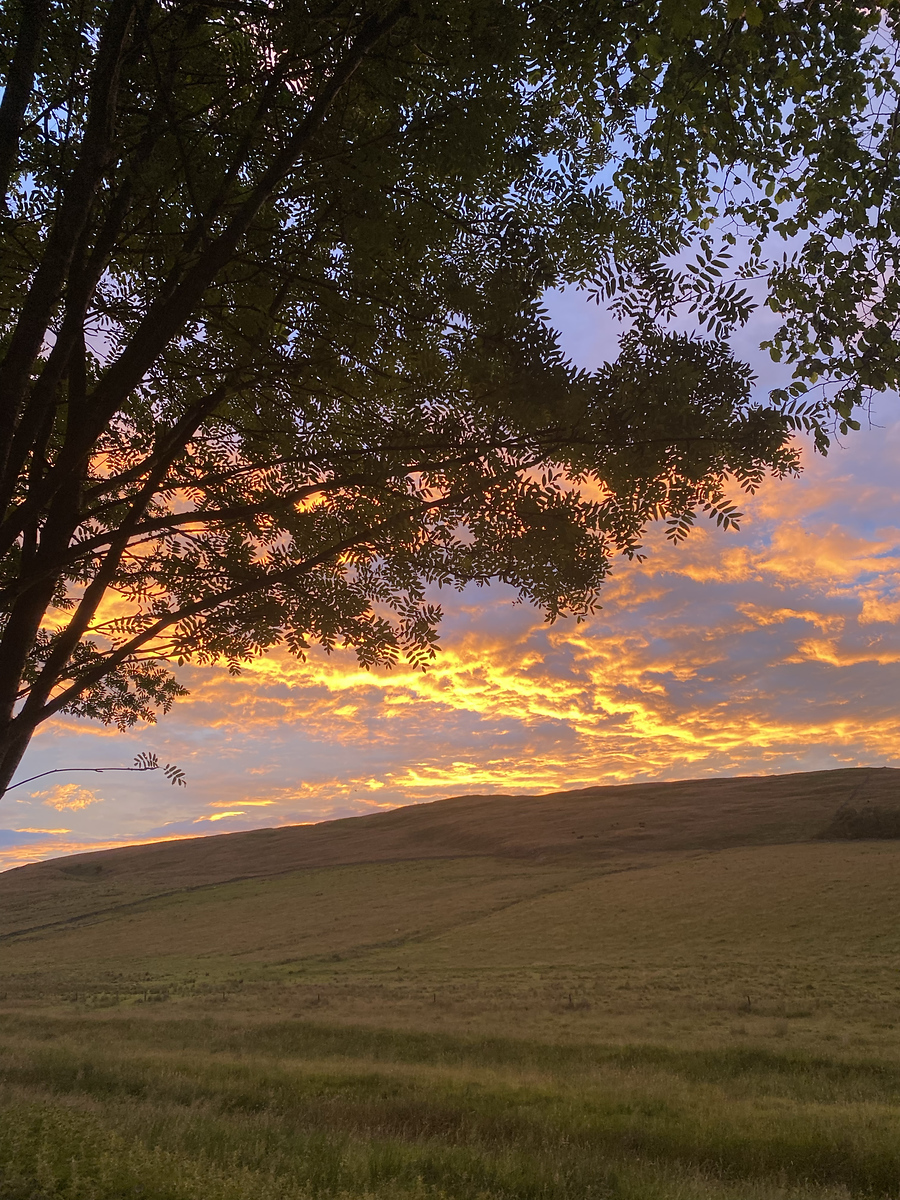
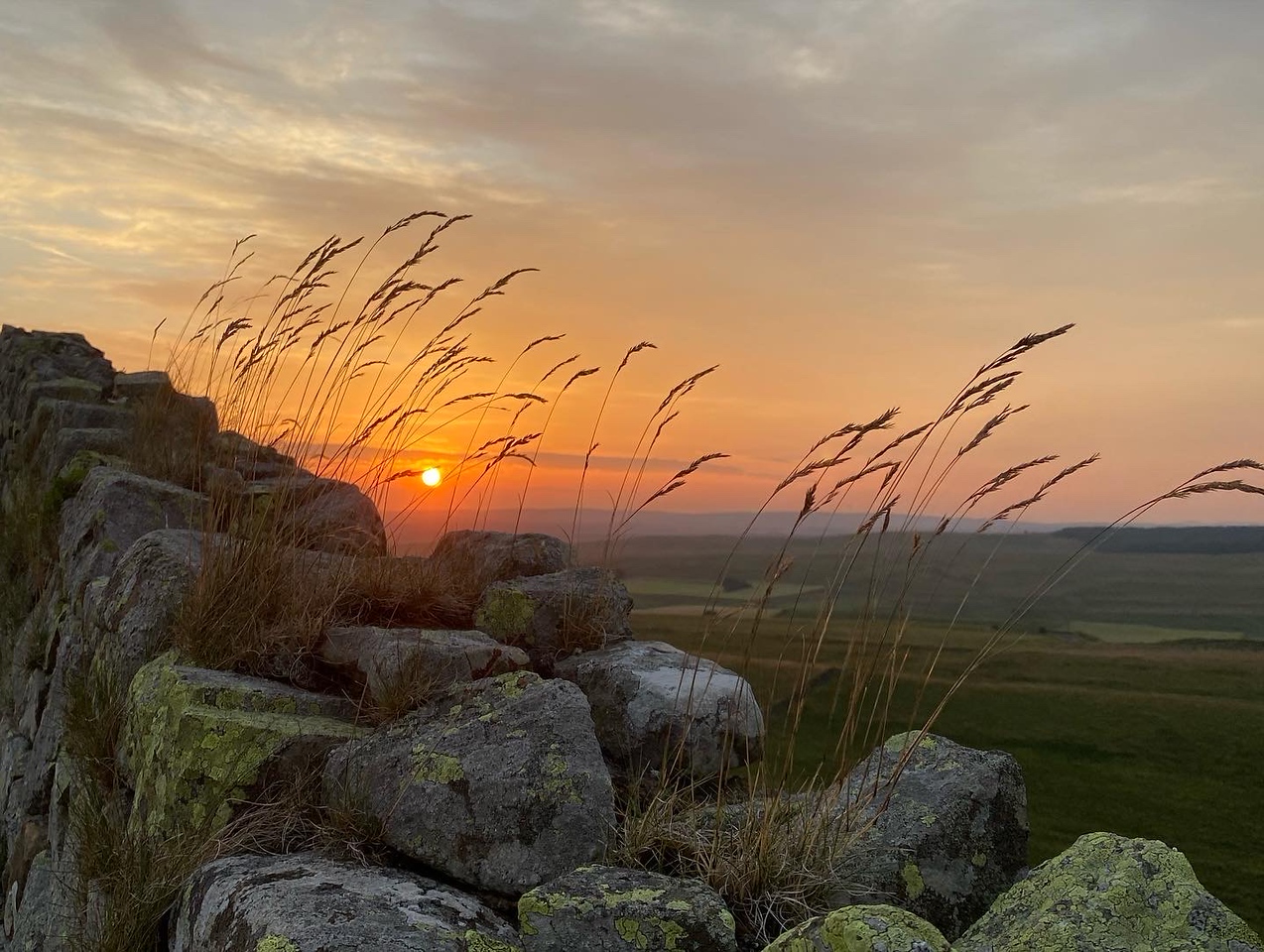
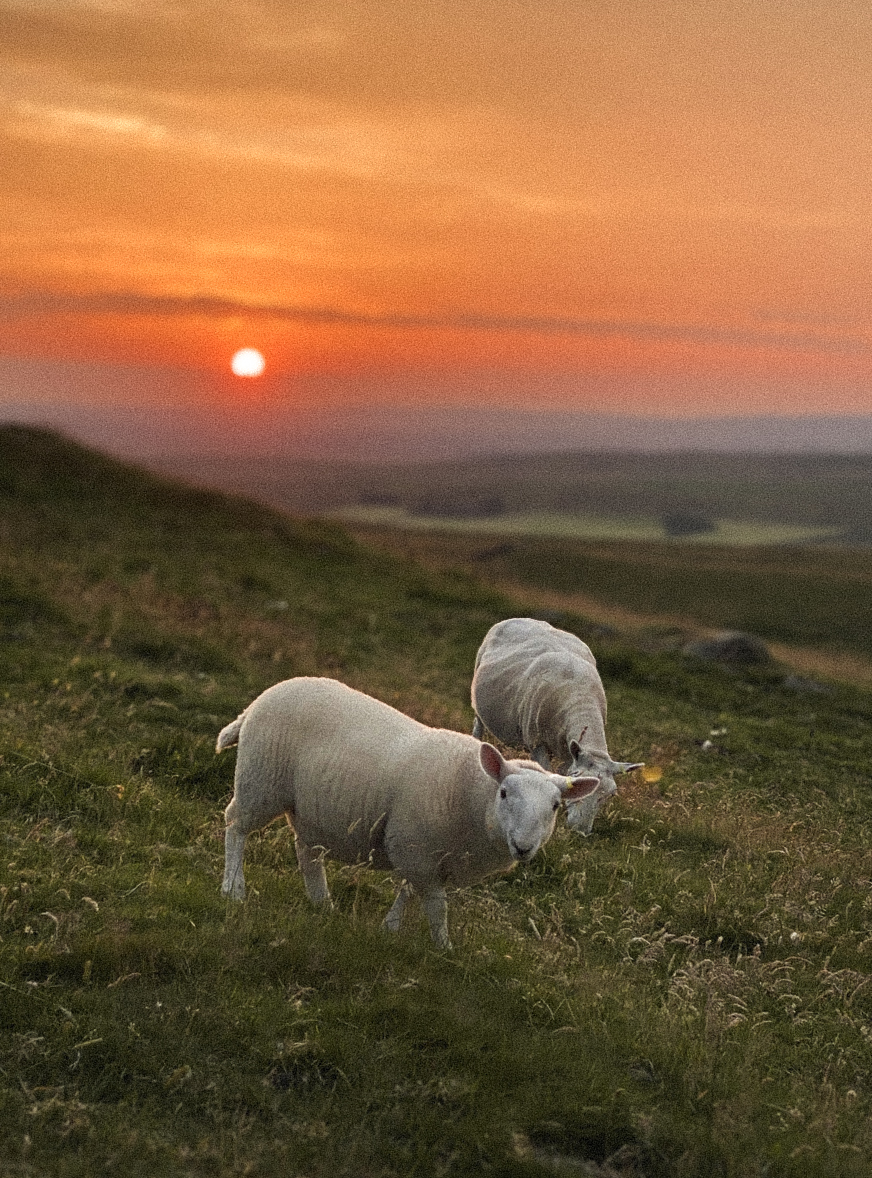
As our guests at Hadrian’s Wall Huts you may also be treated to the most incredible skies with low hanging mists early morning lifting to expose the livestock in the local fields, rainbows that almost land at your feet, heavy dark clouds with sun topped hillside and rich coloured sunsets that make Steel Rigg glow.
The best way to experience these is a sunset walk from the hut door. It’s a round trip for one hour up past steel rigg and westwards along the Whin Sill (the layer of igneous rock that the wall runs along) over to the highest point of Hadrian’s Wall at Winshields Trig point, then back down the hillside and home along the Military Road. Alternatively you can also walk East to the Sycamore Gap with the now regrowth of the stump.

 Hadrian's Wall Huts