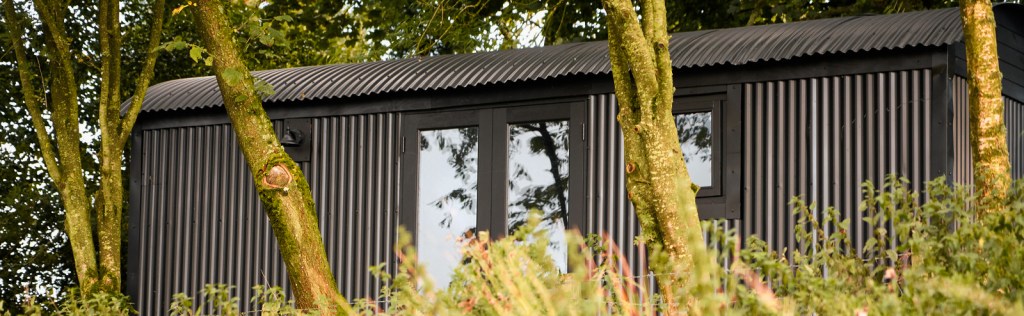
Shepherd huts have a rich and storied history across the rural landscapes of the UK, particularly Northumberland, a county known for its rugged beauty and agricultural heritage. These portable dwellings, originally designed as practical shelters for shepherds tending to their flocks, now often used as unique holiday huts have evolved over the centuries, blending function with a rustic charm that continues to capture the imagination of many today.
The Origins of Shepherd Huts
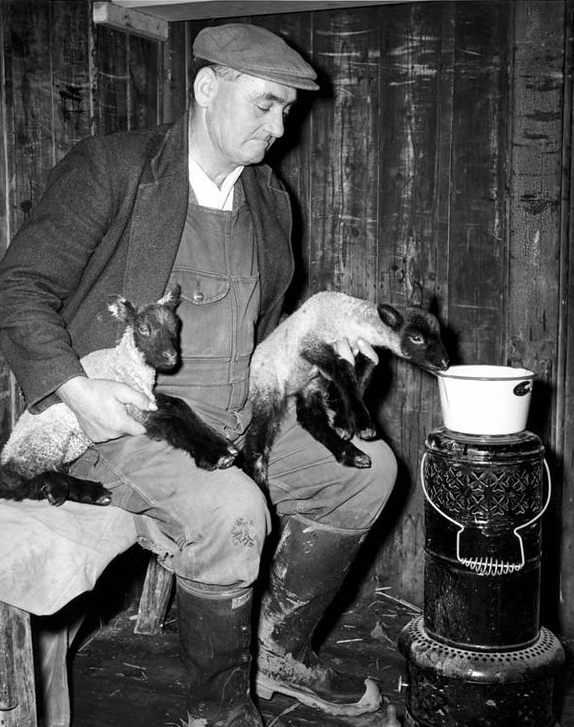
Shepherd huts date back to the 16th century, with the earliest references found in southern England, but they soon spread to other pastoral regions like Northumberland. The primary purpose of these huts was to offer shepherds a warm and practical space to stay near their sheep, particularly during lambing season when constant attention was required. In Northumberland, known for its wide moorlands and sometimes harsh weather conditions, these huts were a necessity, providing shelter from the winds and cold temperatures typical of the region.
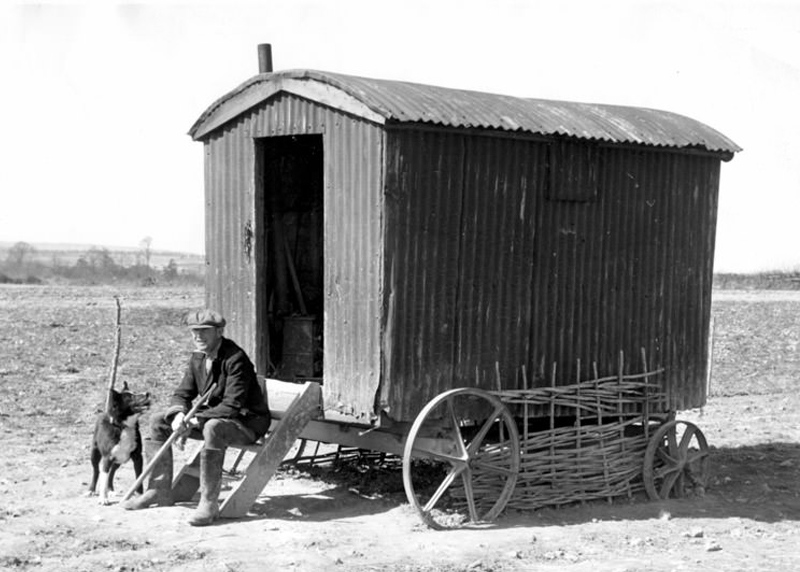
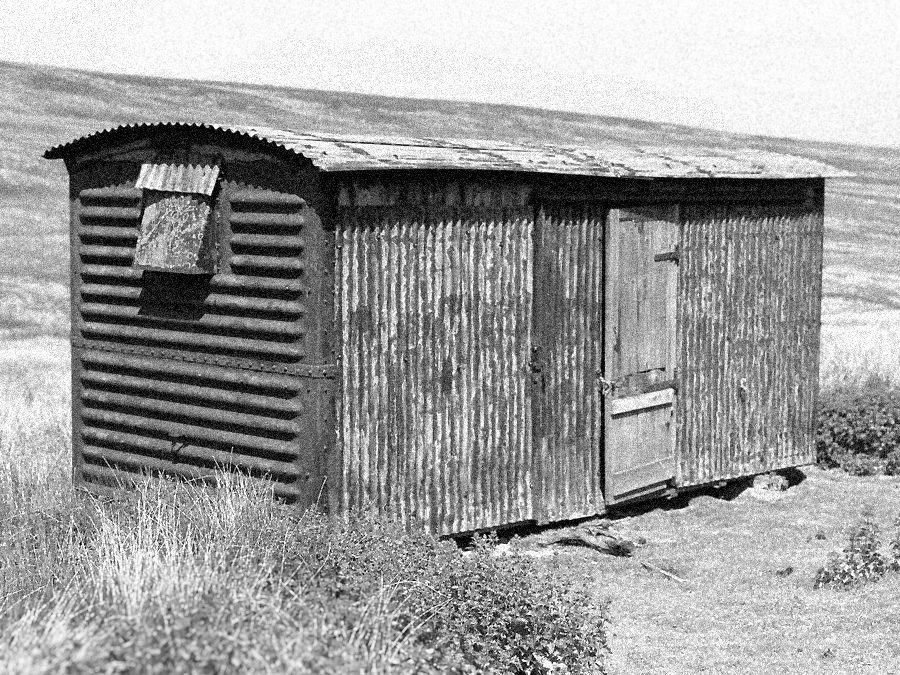
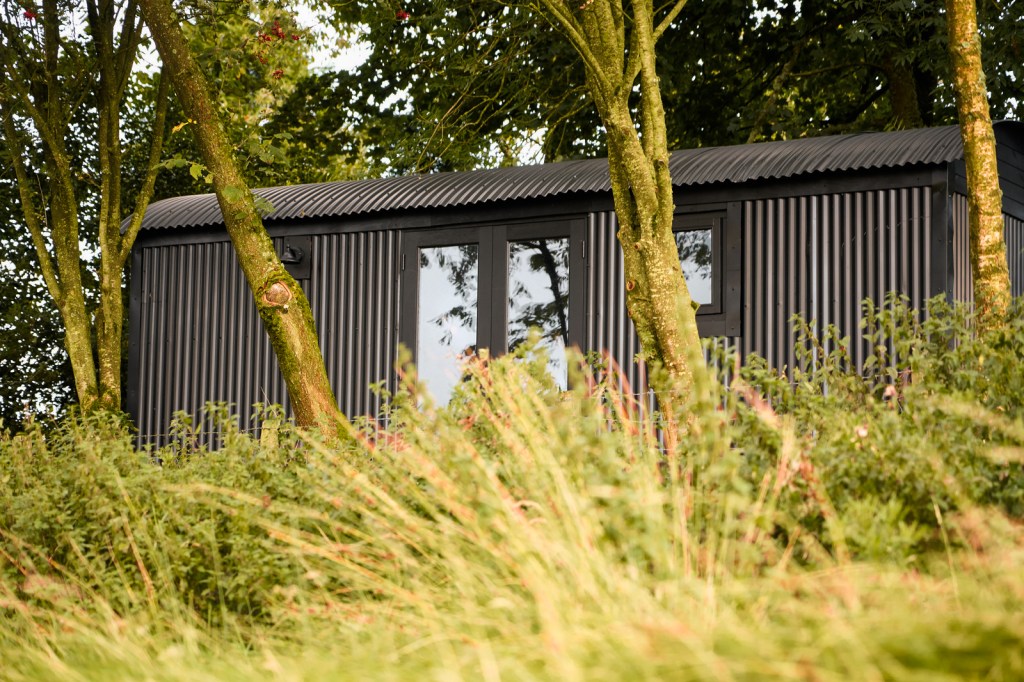
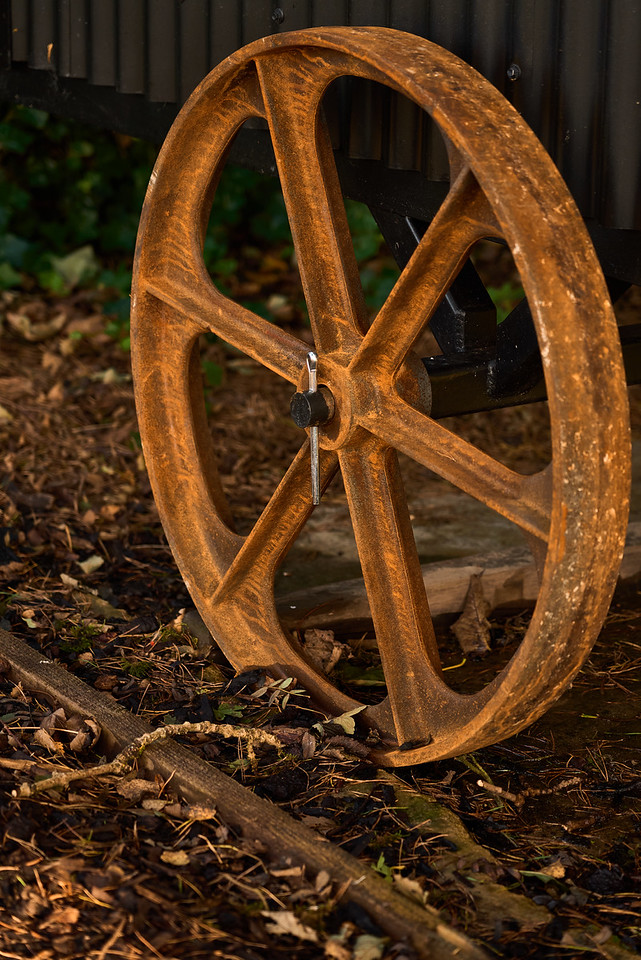
Traditionally, the shepherd hut was a mobile structure, often mounted on cast-iron wheels so it could be relocated as needed across fields. They were usually made from wood and corrugated iron, simple yet sturdy materials capable of withstanding the rigours of the Northumberland countryside. Inside, the layout was modest, often containing a small wood-burning stove for warmth, a cot or bench for rest, and space to store tools and food supplies.
Shepherd Huts in Northumberland’s Rural Life
Northumberland, with its rich pastoral heritage, was an ideal region for shepherd huts to flourish. The vast hills and moors of the county required shepherds to stay close to their flocks, especially during the long lambing periods. Isolated from villages or homesteads, these huts became essential for survival.
Shepherds would often spend weeks at a time living in these small spaces, using them as a base to oversee the birthing of lambs and to keep predators such as foxes at bay. Over time, the huts became synonymous with the Northumberland shepherding way of life, seen not only as a tool of the trade but also as an iconic feature of the landscape.
How Are Shepherds Huts Made?
Building a shepherd hut required a blend of craftsmanship and practicality, balancing the need for durability with ease of mobility. Traditional Northumberland shepherd huts were typically constructed from locally available materials. Here’s a breakdown of the key elements involved in their construction:
Windows and Doors: Most huts had a small, single window that could be opened to provide ventilation and allow the shepherd to watch over the flock. The door was generally sturdy, with a simple latch, designed to withstand the elements and prevent it from blowing open in strong winds. In Northumberland, the design of the huts often took into account the harsh winter conditions, with insulation being a priority.
Framework and Body: The hut’s main structure was crafted from timber, with seasoned oak or pine commonly used for its strength and availability. The wooden framework provided the skeleton of the hut, often reinforced with diagonal braces for added stability. The body was then clad in wooden planks or sometimes corrugated iron sheets, which became more common in the 19th century due to their weather resistance.
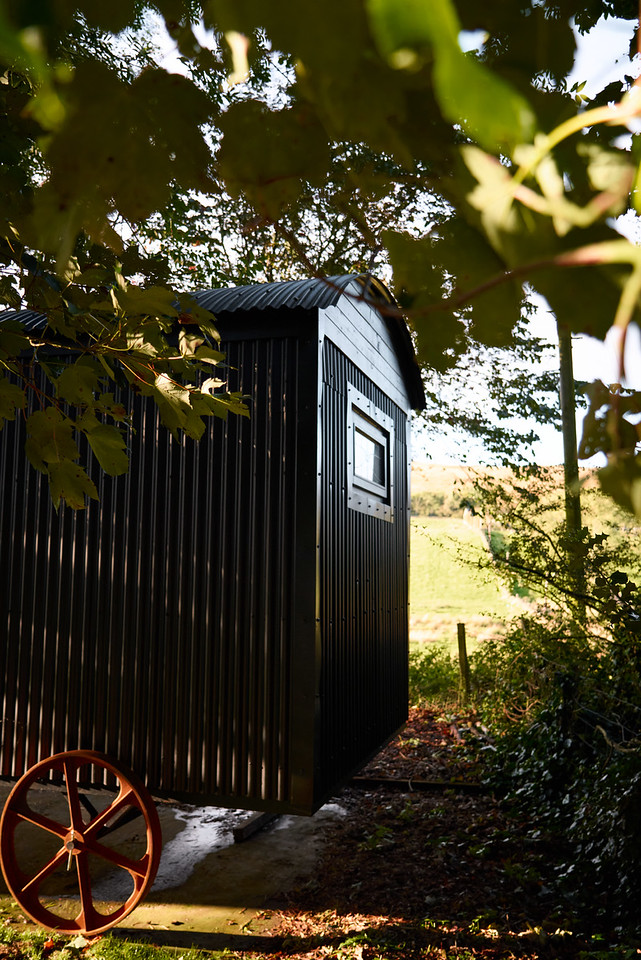
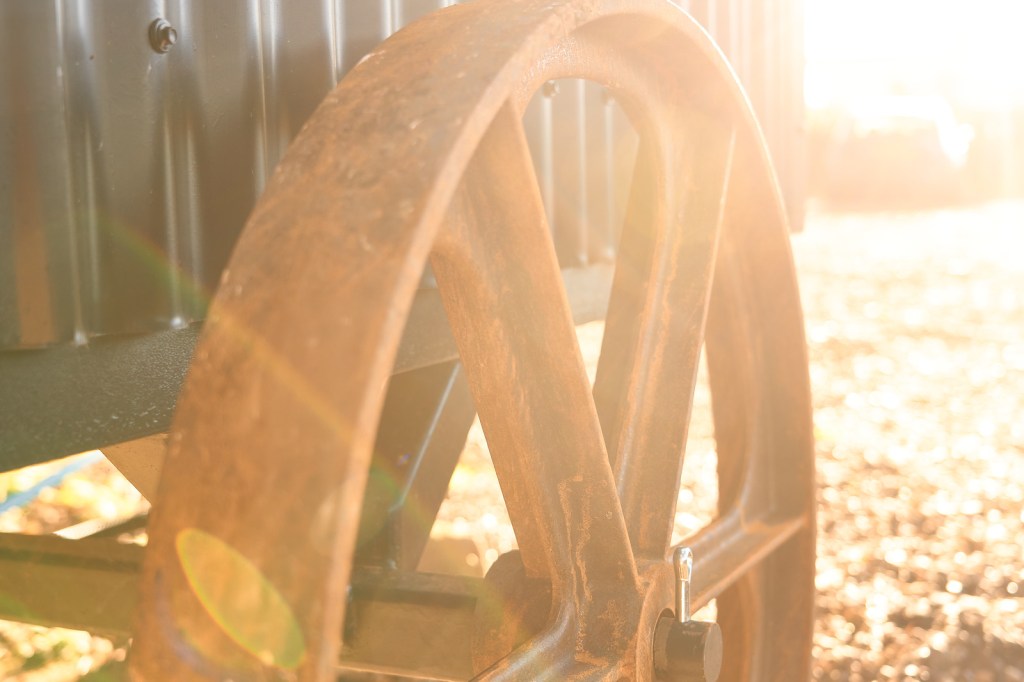
Wheels: One of the defining features of a shepherd hut was its mobility. The huts were mounted on a simple iron chassis with cast-iron wheels. This allowed the huts to be moved from field to field as the seasons changed or when new grazing pastures were needed. The wheels were large, enabling easy transport over rough terrain common to Northumberland.
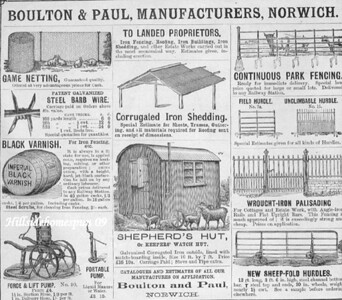
Roofing: The roof was usually made of corrugated iron, though in earlier versions, thatch or wooden shingles might have been used. The steep pitch of the roof allowed rain to easily run off, an essential feature in the often wet and windy Northumberland weather. Inside, insulation was typically added using sheep’s wool or straw to help retain warmth.
Interior Layout: The interior of a shepherd hut was designed for maximum efficiency in a small space. A simple wood-burning stove would be installed to provide heat and cook food, with a small chimney venting through the roof. A bench or small bed was placed against one wall, while hooks or shelves were added for storage. The hut’s compact, utilitarian design was well-suited to the needs of the shepherd, with everything within easy reach.
The Modern-Day Revival of Shepherd Huts
While shepherd huts faded from common use as agricultural practices modernised in the 20th century, they’ve seen a revival in recent decades, particularly in Northumberland and around Hadrian’s Wall walking path. Today, these huts have found new life, repurposed for a variety of uses including holiday accommodation, garden offices and artist studios. The charm of their traditional aesthetic, combined with the desire for off-grid, eco-friendly living spaces, and ‘glamping’ has led to a resurgence in interest.
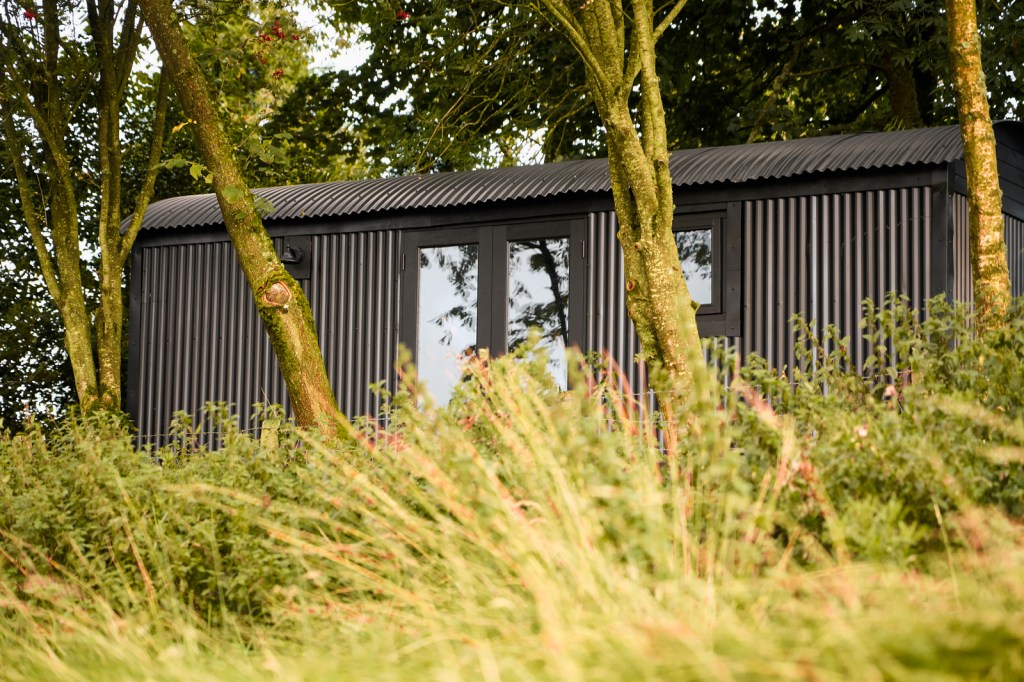
Modern shepherd huts are often still built with traditional techniques, but they benefit from contemporary materials and insulation, making them comfortable year-round. Builders often restore old huts or create new ones inspired by historical designs, maintaining the distinctive features like the cast-iron wheels, timber cladding, and corrugated roofs.
Our hut build
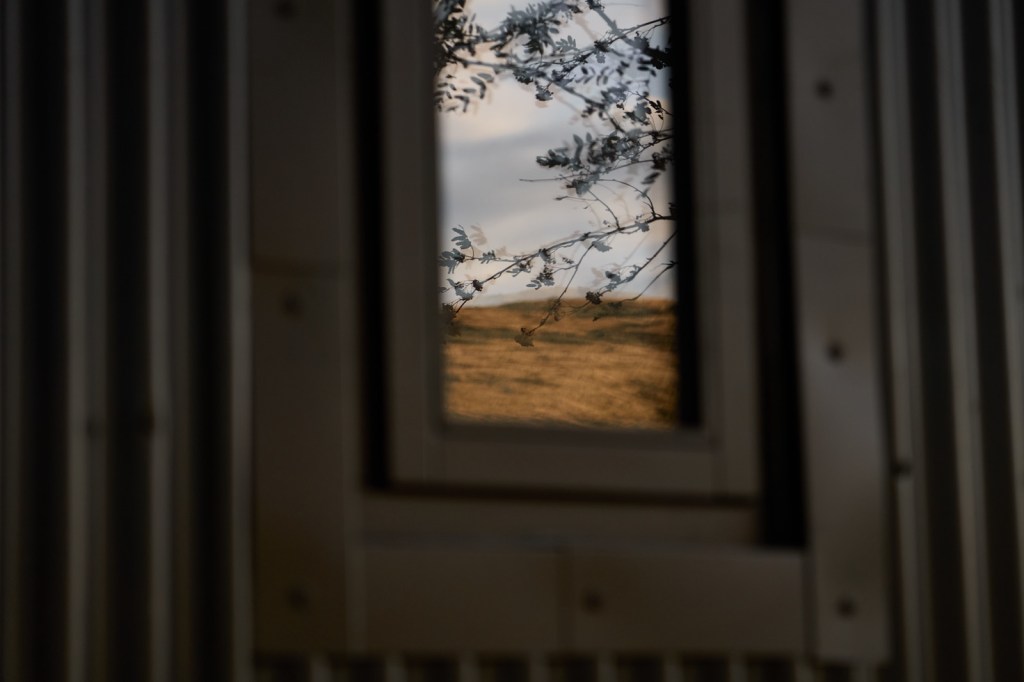
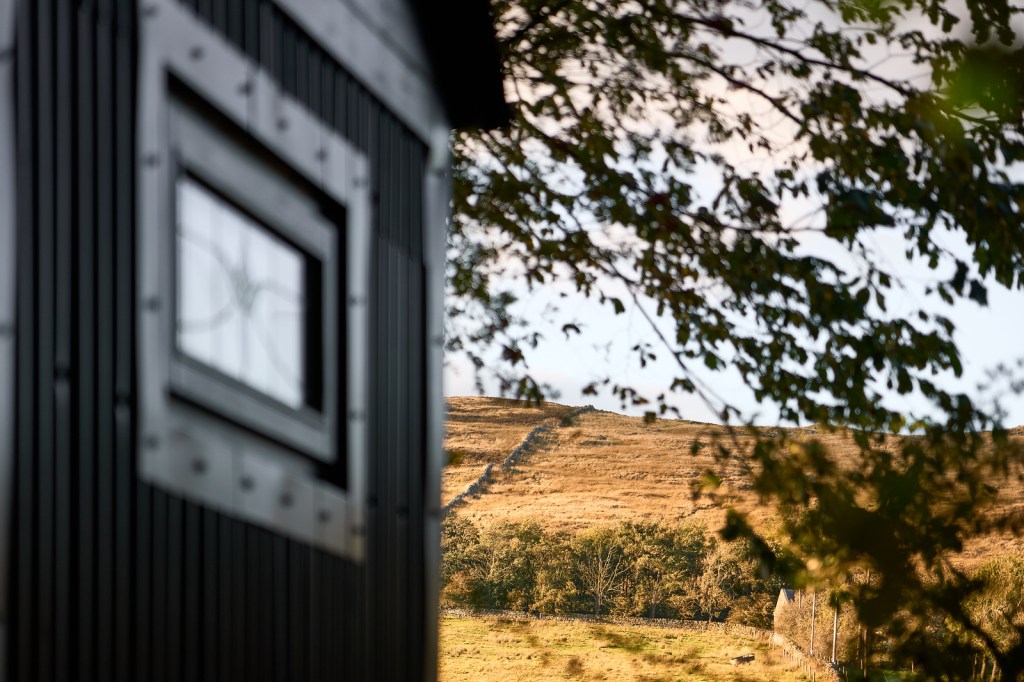
Our shepherds hut was built using the traditional chassis and iron wheels, has solid insulated walls and noise reducing roof insulation. Windows and doors are solid timber with cast iron ironmongery and double glazing. It has electricity and running water so is a comfortable and modern space despite its heritage.
Our Shepherd’s Hut Amenities
Kitchen
The shepherd’s hut kitchen has an upcycled cabinet which offers a surface for preparing food or cooking on a portable electric hob. It also has a mini belfast style sink and storage space on shelving above. We also provide a gas camping stove if you’d like to cook outdoors when the weather behaves or even toast marshmallows on the fire pit! You’ll find a kettle, toaster and cafetiere along with all that you need to prepare food, eat and drink.
Plan B – the pub!
If none of this appeals, fear not! The Twice Brewed Inn and Brew house is a 2 minute walk down the road and has an all day menu with something for everyone! Their freshly brewed ales are worth a try and the pub garden is lovely in warm weather. We advise you pre book as tables are limited and it gets very, very busy!
The next nearest pub is the Milecastle Inn a 5 minute drive west along the Military Rd and is a traditional pub with stone walls and low ceilings. This home cooked food is consistently good quality, they have fires in the winter, a sunset facing garden in the summer and the service is very friendly.
The Sill a short walk along the road also has a good cafe for daytime snacks, soups and sarnies, they even stock a few essentials like a fresh and local ground coffee.
Toilet and shower room
The hut has a good sized shower unit with a power shower, cloakroom basin and flushing toilet so don’t worry you don’t have to rough it like a Victorian shepherd! You will have all the necessary facilities to be clean and fresh after a day exploring.
Bedroom
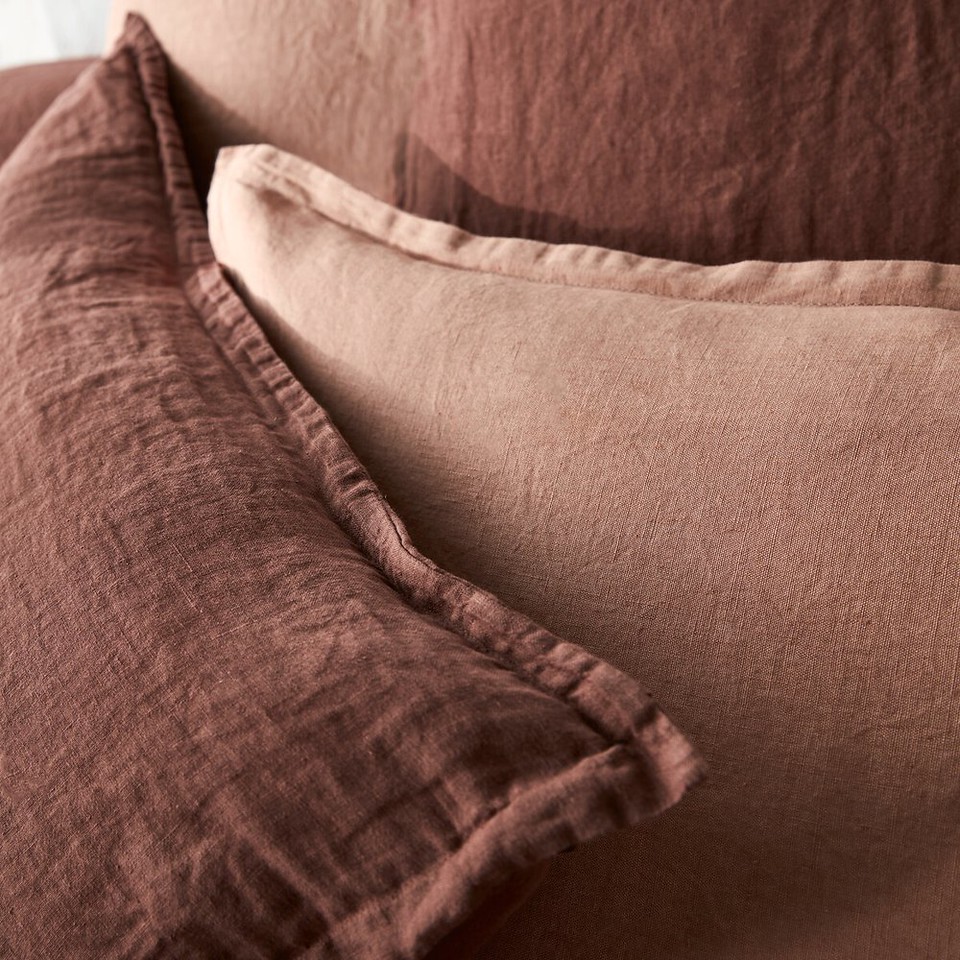
The bedroom has a high quality memory foam king-size mattress with 100% cotton sheets, a feather and down duvet and high quality 100% linen duvet covers.
Living area
We have two freestanding comfy armchairs for sitting and taking in the view or pulling up to the log burner. We also have a fold away table and stools for eating at which we store under the bed.
Large glass panel doors
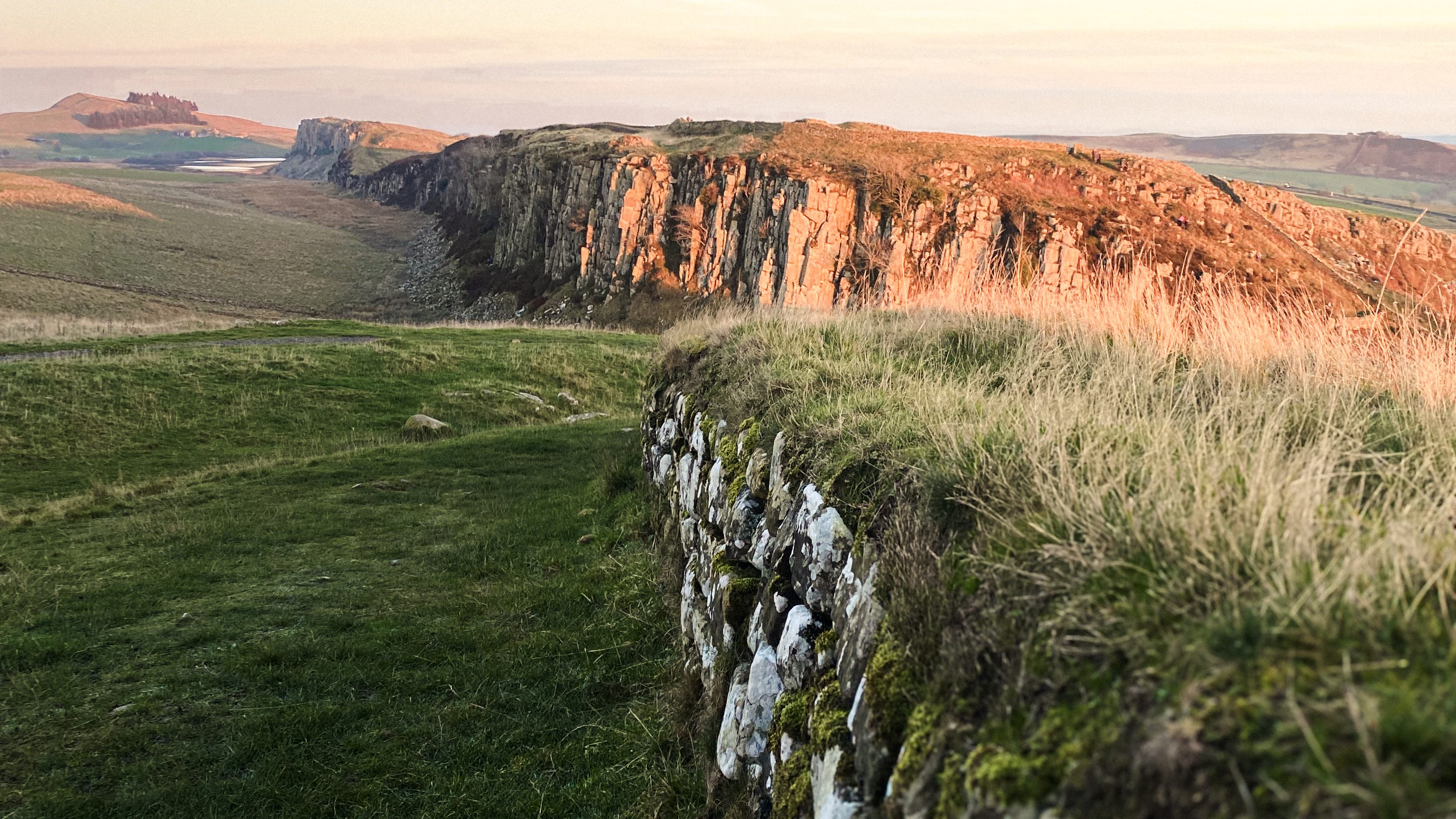
These large panelled doors were designed for our guests to have maximum views across the fields northwards towards Hadrian’s Wall and Steel Rigg’s peel Crags. If you are lucky enough to have a clear night you can stargaze or spot the aurora from warm inside. There are thick curtains to keep the heat in and the light out!
Keeping Warm
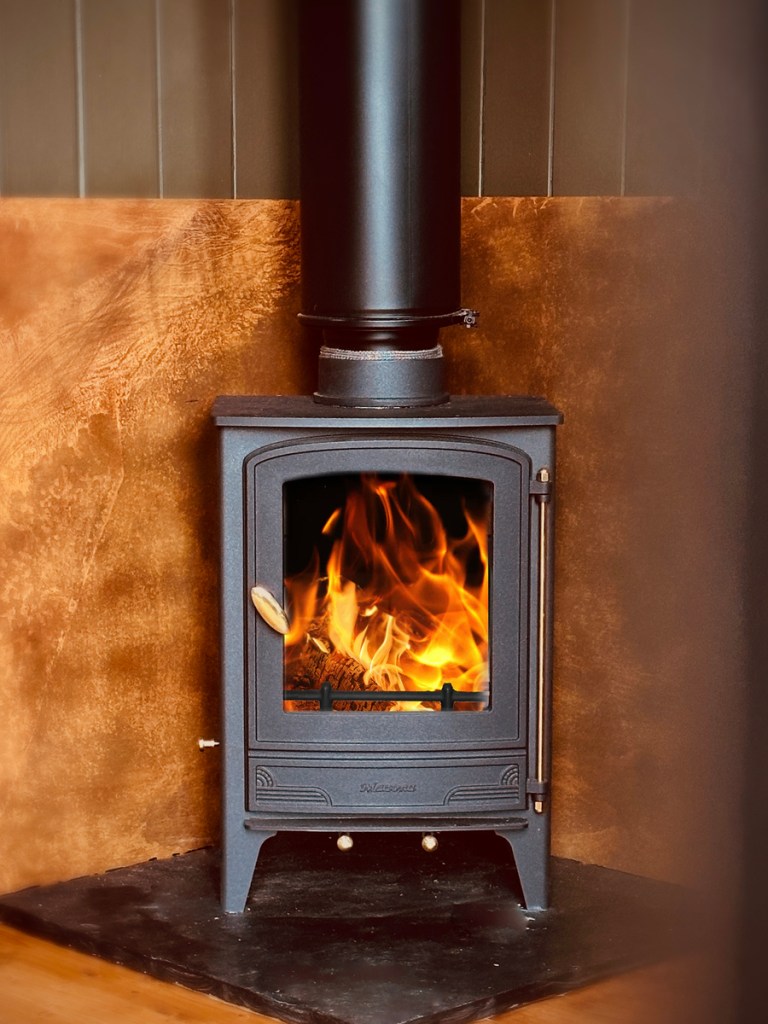
We have a really effective log burner that will keep you really toasty in colder temperatures. We provide a bag of wood which should keep you going for two nights but if you wanted more we sell it for £5 a bag. We provide firelighters and kindling with it set up ready to go and can show you how to operate it on arrival. We also have a small electric radiator to keep the chill off in between fires. We also provide extra blankets on the bed and on the backs of chairs.
Outdoor seating area
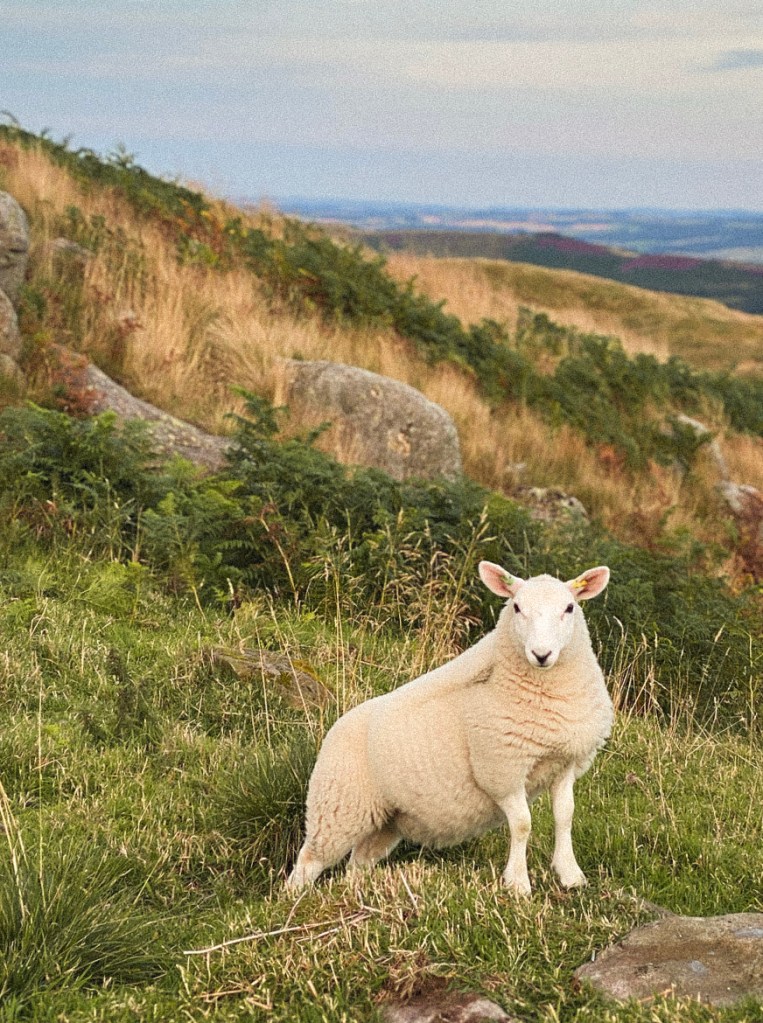
We hope you can spend some time gazing at the stars, spotting deer, being entertained by new lambs or watching the sunset outdoors. So we have outdoor seating for relaxing and table and chairs for eating at too. There are also hammocks on the south side of the hut tied to the trees which get the daytime sun and perfect for watching the sun go down in the summer. We have an outdoor fire pit to keep warm in the dry evenings too.
 Hadrian's Wall Huts